
The recent unveiling of a Cochrane review has cast doubt on the effectiveness of amyloid-targeting drugs for Alzheimer’s, raising concerns over their high cost and potential adverse effects. The review, released on April 16, 2026, examined 17 clinical trials with over 20,000 participants and concluded that the clinical benefits of these drugs were minimal at best. Lead author Francesco Nonino from the IRCCS Institute of Neurological Sciences in Bologna emphasized that these drugs do not bring about a significant clinical improvement, suggesting a need for alternative research approaches beyond the amyloid pathway. This revelation has sparked discussions across global media, with notable reactions from The Guardian, The New York Times, and other outlets highlighting the negligible impact of these treatments.
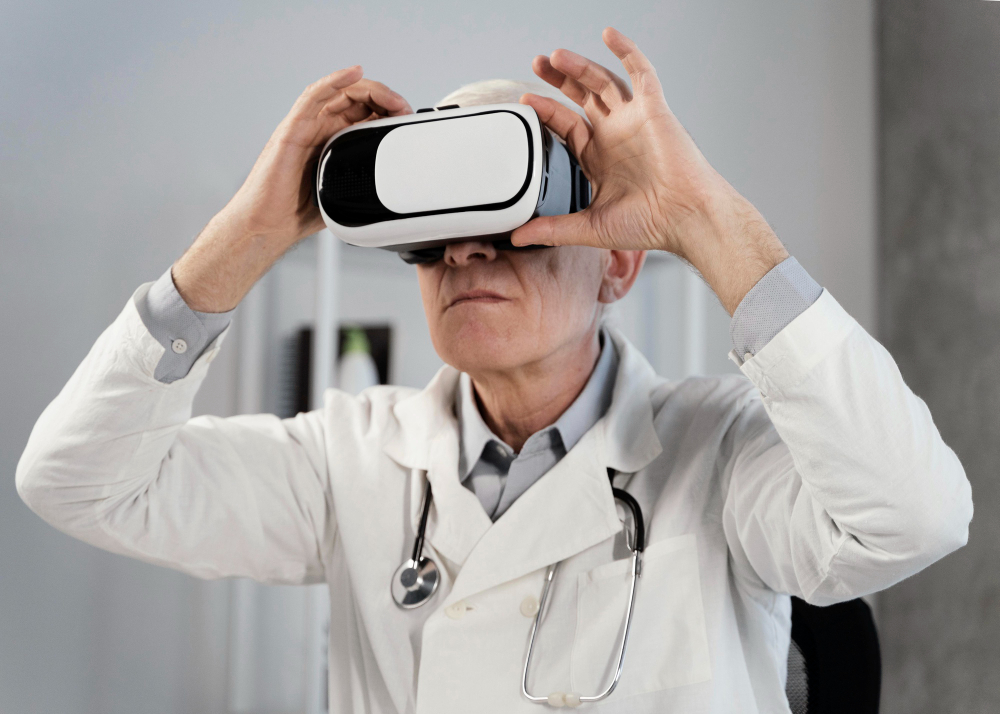
In response to these developments, Czech-based H2 Global Group has introduced an innovative approach by proposing the use of molecular hydrogen therapy combined with virtual reality (VR) cognitive rehabilitation. On April 17, H2 Global Group presented this strategy to leaders across all 27 EU member states. The company, led by PharmDr. Milan Krajíček, is focusing on combating oxidative stress and neuroinflammation, proposing a shift from the traditional focus on beta-amyloid. The strategy is underscored by their patent “Prophylactic or Therapeutic Agent for Dementia,” which supports the use of gaseous hydrogen in managing Alzheimer’s-type dementia, including preventive measures for early cognitive decline.
The scientific groundwork for this alternative was laid by Professor Shigeo Ohta of Nippon Medical School, whose 2007 study in Nature Medicine demonstrated the antioxidant benefits of hydrogen. H2 Global Group has already initiated a clinical study approved by SÚKL and the Ethics Committee of University Hospital Ostrava, aiming to register a medical device utilizing molecular hydrogen. According to Dr. Krajíček, the method targets brain inflammation and oxidative stress while the VR component aids in stimulating neuroplasticity, creating a comprehensive approach to addressing dementia’s challenges.
H2 Global Group’s CEO, David Maršálek, sees this as a pivotal moment for the Czech Republic to lead a transformative approach to dementia treatment. He highlights the unique collaboration between Japanese and Czech technologies and emphasizes the potential for a Europe-wide clinical study. Maršálek stresses the urgency of action to address the aging population and dementia epidemic effectively, advocating for a collaborative effort that could provide a safe and accessible solution for millions of patients and their families across Europe.