
Fatty liver disease has emerged as a major health concern, with recent research revealing that nearly 40 percent of study participants showed signs of metabolic-dysfunction-associated steatotic liver disease. This statistic translates to millions of adults potentially living with this condition without any awareness of its presence.
This metabolic variant of liver disease develops alongside conditions like obesity and diabetes, independent of alcohol consumption. The condition’s danger extends beyond fat accumulation—without intervention, it can progress to serious complications including fibrosis and malignancy.
Fortunately, dietary choices can significantly impact liver health and disease progression. A health professional with expertise in nutrition and metabolic conditions has compiled a list of five foods that offer particular benefits for supporting liver function and reducing fat accumulation.
The recommendations begin with black coffee, a beverage many already enjoy daily. The caffeine in black coffee has been scientifically shown to reduce liver disease progression and decrease fatty deposits in the liver. This means regular coffee consumption can serve as a simple protective measure for liver health.
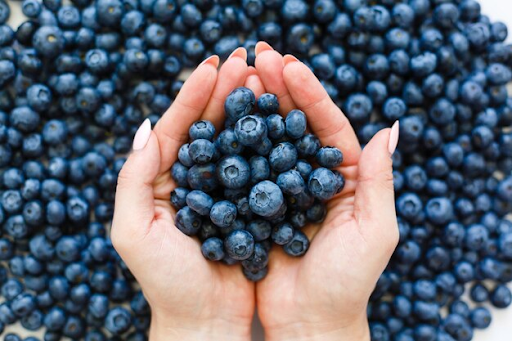
Blueberries rank among the top superfoods for good reason, with liver health being a significant benefit. These berries are packed with anthocyanins, compounds that deliver potent anti-inflammatory effects specifically beneficial to liver cells. By targeting cellular inflammation, blueberries provide natural protection against fatty liver disease.
The traditional superfruit amla offers time-tested benefits backed by modern science. Its high vitamin C content provides powerful antioxidant effects that help reduce oxidative stress, a key factor in fatty liver development. Incorporating amla into your diet supports liver health through both traditional and evidence-based mechanisms.
Avocados contribute to liver health through their content of glutathione, an essential compound for liver function. Glutathione supports liver cell production and regeneration, helping the organ maintain its function and heal from damage. It also reduces oxidative stress, thereby helping to prevent fatty liver disease progression.
The final recommendation pairs turmeric with black pepper for maximum benefit. Turmeric provides curcumin, known for its exceptional anti-inflammatory and antioxidant properties. Black pepper contains piperine, which significantly enhances the body’s ability to absorb and utilize curcumin. Together, they create a powerful tool for reducing inflammation and preventing fatty liver.
Five Liver-Loving Foods That Combat Metabolic Fatty Liver Disease
Picture Credit: www.freepik.com
1