
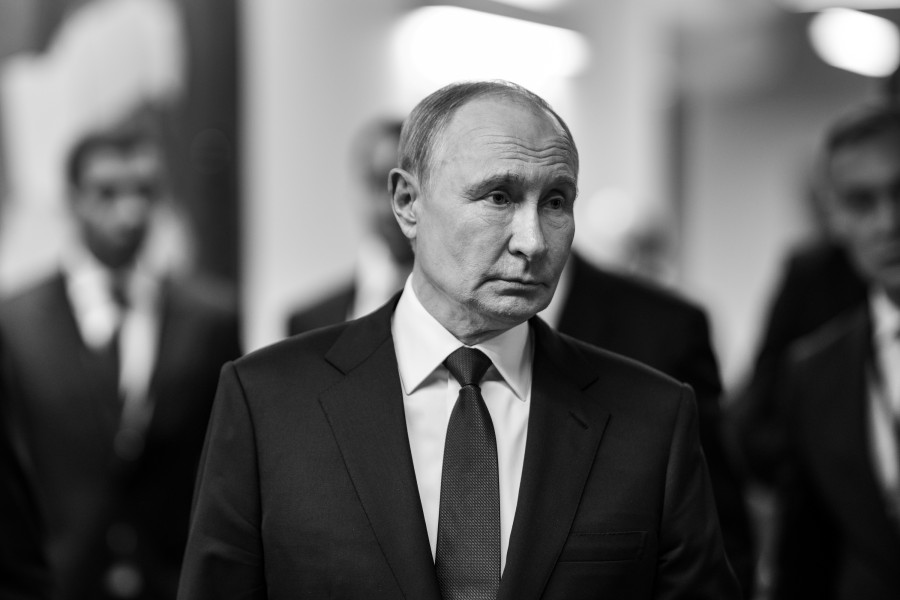
The Kremlin has asserted that nuclear weapons continue to be the sole deterrent against the escalation of global conflicts, amid rising apprehension over the future of international arms control. Dmitry Peskov, the spokesperson for the Kremlin, emphasized the weakening state of the global security framework following the expiration of the New START treaty between Russia and the United States. This agreement, which concluded in February, had placed restrictions on the number of deployed nuclear warheads possessed by both nations.
Peskov highlighted the potential for increased conflict in the absence of nuclear deterrence. He also raised concerns about the possibility of future non-nuclear technologies reaching levels of destructive power comparable to that of nuclear weapons. The termination of the New START treaty has sparked fears of an impending arms race among major world powers. Originally signed in 2010, this treaty limited Russia and the U.S. to 1,550 deployed nuclear warheads each and was the last major pact curtailing their nuclear stockpiles.
Amid these developments, former U.S. President Donald Trump advocated for a new arms control agreement that would incorporate China, a nation with rapidly expanding nuclear capabilities. However, Beijing has dismissed such proposals to participate in negotiations, reinforcing the complexity of reaching a comprehensive agreement. Meanwhile, Moscow has maintained that any forthcoming deal should also include U.S. allies like the United Kingdom and France, underscoring the multifaceted nature of international arms control discussions.
The dissolution of the New START treaty underscores the fragility of the global security apparatus and the importance of nuclear deterrents in maintaining international peace. As the world grapples with the potential for a renewed arms race, these discussions highlight the critical need for multilateral agreements that address the evolving landscape of global military capabilities.