
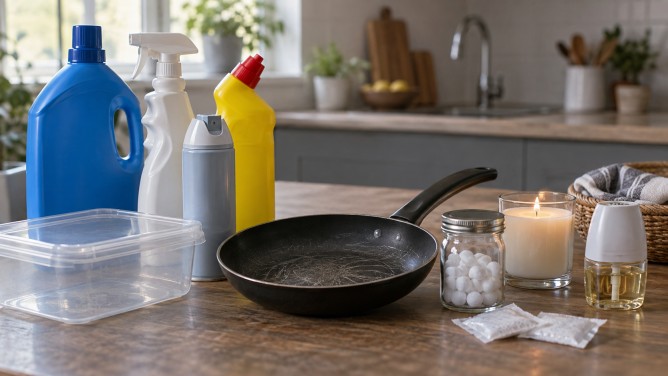
Health experts emphasize the importance of awareness regarding common household items that may contribute to unhealthy practices or unwanted chemical exposure. As safer alternatives become available, it is advisable to be cautious about what enters the home. Here are some everyday products that could be limited or replaced to promote healthier living.
Sugary soft drinks are often a staple in many homes, but regular consumption can lead to excessive sugar intake and is linked to various long-term health issues. Eliminating these beverages from the household could help prevent them from becoming a habitual part of daily life. Similarly, processed meats such as bacon, sausages, and hot dogs are classified by the World Health Organization as carcinogenic. Reducing their intake might contribute to a healthier diet.
Another significant concern is the presence of tobacco and vaping products in the home. Tobacco continues to be a leading preventable cause of disease and cancer globally. Keeping these products out of living spaces can minimize exposure and deter frequent use. In the kitchen, scratched non-stick cookware poses a risk as damaged coatings can degrade over time. Replacing these items when they show significant wear is a prudent safety measure.
Air fresheners are often used to mask odors, but they do not clean the air and can sometimes lead to the formation of additional compounds when fragrance chemicals interact with indoor pollutants. Improving ventilation and addressing the source of unpleasant smells are recommended alternatives. Plastic cutting boards, when worn down by repeated knife use, can release tiny plastic particles. It’s advisable to replace heavily used boards and maintain separate ones for different types of food to enhance kitchen hygiene.
Highly sweetened breakfast cereals may appear nutritious but often contain substantial added sugars. Opting for whole-grain, lower-sugar options can offer a healthier start to the day. Additionally, cooking oils that are reheated repeatedly can break down and potentially produce harmful compounds. Using fresh oil and avoiding excessive reheating are safer cooking practices. Implementing these small changes in household products and daily routines can facilitate the maintenance of healthier habits in the long run.