
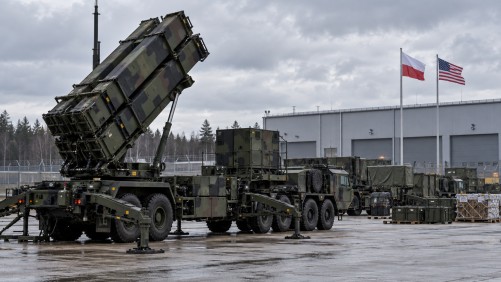
Poland’s efforts to bolster its air defense capabilities are facing setbacks due to delays in the delivery of U.S. weapons systems, primarily the interceptors for the Patriot missile defense system. This disruption is attributed to the ongoing conflict in Iran, which has intensified the demand for American military equipment and strained U.S. weapons inventories.
General Ireneusz Nowak, the Polish Army Operational Commander, confirmed these delays during the Warsaw Security Forum on Monday. He specifically highlighted concerns about the delivery schedule of the PAC-3 MSE interceptors, which are crucial components of Poland’s defense strategy. Nowak also cautioned that other weapon systems covered by existing contracts could face similar delays.
The situation poses challenges for Poland, which has been investing significantly in modernizing its military to address security concerns in Europe. The country has been focused on acquiring advanced systems to enhance its airspace protection. However, the delayed deliveries could complicate these efforts, leaving Poland vulnerable at a time of heightened security risks.
The strain on the United States’ ability to fulfill its defense commitments to NATO allies like Poland underscores the broader challenges faced by countries relying on timely weapons supplies. As the U.S. juggles its military requirements with obligations to partners, European allies are expressing concerns over the potential postponement of previously agreed deliveries.
These developments highlight the growing complexity of international defense agreements amidst global conflicts. Countries dependent on U.S. military support may need to reassess their procurement strategies to ensure that their defense needs are met in a timely manner.