
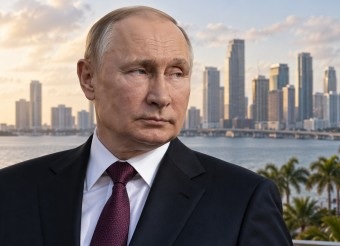
The potential re-engagement of U.S. and Russian diplomatic channels could significantly influence the ongoing conflict in Ukraine, as the United States extends an invitation to Russian President Vladimir Putin to attend the upcoming G20 summit in Miami. This move opens a pathway for direct discussions between Putin and U.S. President Donald Trump, amidst efforts to negotiate a ceasefire in the Ukraine-Russia war.
U.S. Secretary of State Marco Rubio announced the invitation, emphasizing that it offers Putin a platform to engage with Trump and other global leaders. The summit, scheduled for December at the Trump National Doral golf resort, could facilitate crucial dialogue aimed at addressing international tensions, particularly those stemming from the conflict in Eastern Europe. Although the Kremlin has yet to respond, the potential for direct talks marks a notable shift in U.S. diplomatic strategy.
Russia’s involvement in the G20, a collective of the world’s largest economies including the United States, China, India, and the European Union, underscores the significance of this diplomatic overture. Putin, who last attended an in-person G20 summit in 2019, participated virtually in 2023, highlighting the complexities of international relations amid ongoing geopolitical challenges.
The invitation aligns with broader U.S. efforts to mediate peace in Ukraine, following discussions between Trump and Ukrainian President Volodymyr Zelenskyy on measures to halt attacks on energy infrastructure. Zelenskyy has expressed willingness to engage with Putin if he attends the summit, adding another layer to the potential diplomatic engagements that could arise from this gathering.
This development indicates a strategic pivot in U.S.-Russia relations, as the Trump administration seeks to leverage direct diplomatic contacts to address the protracted conflict in Ukraine. The outcome of these efforts could have profound implications for international stability and U.S. foreign policy.