
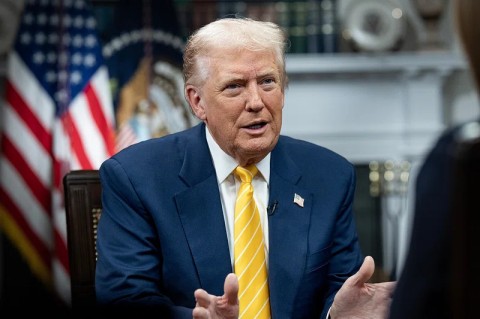
In a significant military development, Donald Trump has announced the deployment of an additional 5,000 American troops to Poland. This strategic decision, as stated by Trump, was partly influenced by his relationship with Polish President Karol Nawrocki. The move aims to bolster Poland’s security and strengthen its strategic alliance with the United States, as Nawrocki warmly received the announcement, emphasizing the importance of US forces in ensuring Poland’s safety.
The announcement, however, has sparked broader concerns regarding the influence of political relationships on military deployments within NATO. There are questions about whether such decisions might deviate from long-term alliance strategies and collective security priorities. Critics have voiced apprehensions that linking troop deployments to personal political support could potentially undermine confidence in NATO’s commitments and create uncertainty among allied nations about future US defense policies.
This decision has also reignited discussions across Europe about the necessity of strengthening independent defense capabilities. The reliance on American military protection has been a topic of debate, and this move has prompted renewed calls for European nations to consider enhancing their own defense systems.
The backdrop of this deployment includes ongoing tensions involving Russia and regional security issues in Eastern Europe, which have been persistent concerns for NATO and its member states. The presence of additional US troops in Poland is seen against the broader context of these geopolitical challenges and the ongoing discourse on NATO’s future role and military structure.