
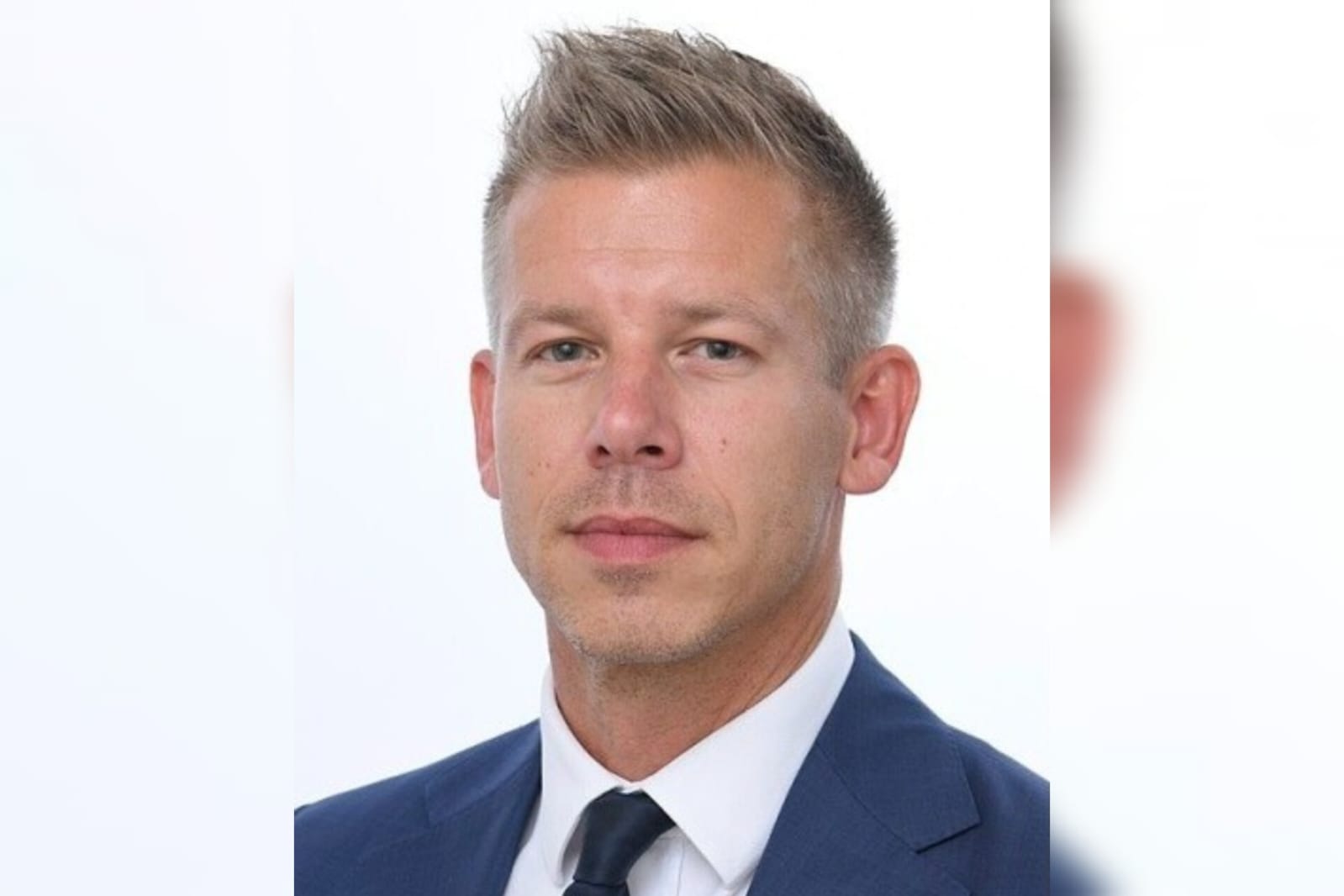
Following a significant electoral victory, Hungary’s new leader, Péter Magyar, is seeking to establish a close alliance with Poland’s Prime Minister, Donald Tusk. Magyar aims to learn from Poland’s recent experiences in mending its relationship with the European Union after years of confrontations under a previous government. Both Hungary and Poland, having shared parallel political paths since 1989, are now under the leadership of center-right, pro-European figures tasked with restoring the rule of law and state institutions following periods of democratic regression.
On election night, Tusk expressed his excitement in a phone call to Magyar from Korea, declaring his happiness over the election outcome. The following day, Tusk addressed the media, emphasizing that the recent political shifts in Central Europe, including in Warsaw, Bucharest, Chișinău, and now Budapest, demonstrate a rejection of corrupt and authoritarian rule. Magyar reciprocated Tusk’s sentiments during a press conference, highlighting plans for a “special relationship” with Poland and announcing Warsaw as his first official foreign visit destination.
Magyar is taking decisive steps against two former Polish ministers currently residing in Budapest to evade prosecution for alleged power abuses. These ministers served under Poland’s former Law and Justice government, which lost to Tusk’s Civic Coalition in 2023. Additionally, plans are underway for Hungary’s new parliament to be inaugurated, and for Magyar to be sworn in on May 9, aligning with “Europe Day” celebrated by the EU. Magyar’s relationship with Tusk is expected to be influential in repositioning Budapest within the core of European politics.
As Magyar prepares to succeed Viktor Orbán at the European Council, Tusk’s experience could be invaluable in navigating discussions with the EU. Informal dialogues between EU officials and Magyar’s incoming administration have begun, with Brussels eager for Hungary to lift its block on a €90 billion loan to Ukraine and to endorse new sanctions against Russia. Hungary will also need to address institutional reforms, judicial independence, anti-corruption measures, asylum policies, and academic freedom to meet EU standards.
Behind the scenes, Polish and Hungarian officials are exploring how Poland’s recent reforms might be replicated in Hungary. The Civic Coalition’s success in unlocking EU funds in 2023 serves as a model. However, Hungary faces a deadline to achieve its “super milestones” by August’s end to access the first €10.4 billion tranche, with €2.12 billion already forfeited. Despite Magyar’s parliamentary majority facilitating reforms, challenges remain in overhauling systems entrenched with illiberal practices. Officials warn that while institutions can be reformed, changing the entrenched mindset of those shaped by Orbán’s 16-year rule presents a longer-term challenge.