
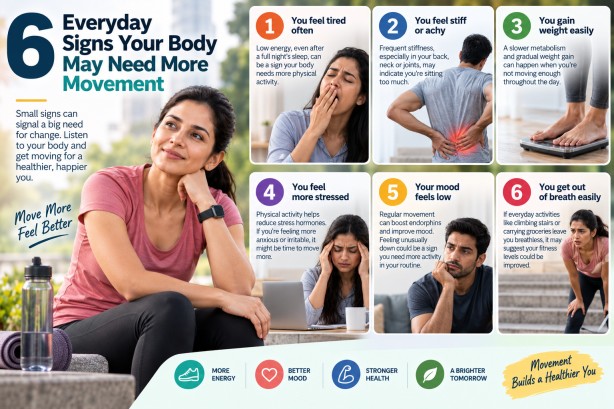
Our bodies often send subtle signals indicating the need for more physical activity, even before pain sets in. Spending extensive periods sitting—whether at a desk, in a car, or simply being inactive—can eventually compromise flexibility, strength, balance, and energy levels. Recognizing these early signs during daily activities can prompt you to incorporate more movement into your routine, potentially averting more significant issues down the line.
One of the first signs might be feeling stiff after sitting for long durations. If you notice discomfort in your back, hips, shoulders, or legs upon standing, it could be a cue for more frequent movement. Regular short breaks to move around can keep your joints agile and prevent discomfort associated with prolonged inactivity. Additionally, if climbing stairs, walking short distances, or performing simple household tasks leave you unusually fatigued, it might suggest that your fitness level requires attention. Gradually increasing physical activity can enhance stamina and make these everyday tasks feel more manageable.
Physical and mental sluggishness can result from extended periods of inactivity, often making it challenging to remain alert and energetic. Interrupting long sitting sessions with short walks, stretches, or quick movement breaks can effectively counteract this lethargy. Another common issue is decreased balance, which might become apparent if you struggle with tasks like standing on one leg or navigating stairs. Engaging in exercises focused on walking, strength, and balance can enhance stability and coordination.
Poor posture, such as slumping at your desk or discomfort in maintaining a sitting or standing position, may arise from weak or underused muscles due to too much sitting. Strengthening exercises for the back, legs, and core, combined with regular movement breaks, can promote better posture and mobility. Furthermore, activities like bending, squatting, or standing up from a chair that begin to feel strenuous should not be dismissed as merely aging. Inactivity can lead to reduced strength and flexibility, but gradually incorporating movement can help sustain mobility and independence.
To introduce more activity into your day, you don’t need extensive gym sessions. Simple actions like taking walking breaks, stretching after sitting, opting for stairs, and incorporating basic strength or balance exercises can suffice. Consistency is key; regular, small movements are often more sustainable than sporadic intense workouts. However, should you experience persistent stiffness, significant weakness, numbness, dizziness, or ongoing pain, it’s advisable to consult a healthcare professional. Ultimately, paying attention to early bodily changes such as stiffness, low stamina, poor balance, sluggishness, or difficulty with routine tasks can guide you in integrating more movement into daily life, thereby supporting overall strength, mobility, and well-being at any age.