
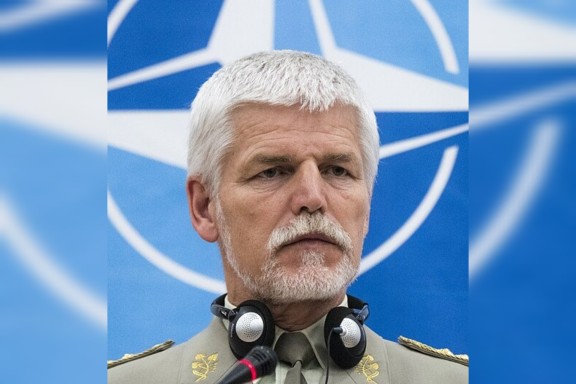
Czech President Petr Pavel has called for a stronger stance from NATO in response to Russia’s persistent provocations near the alliance’s eastern borders. Highlighting the need for robust reactions, Pavel cautioned that weak responses could embolden Moscow to further escalate tensions in the region.
With his background as a former NATO military committee chair and retired general, Pavel noted that Russia has been testing NATO’s boundaries through various actions, including airspace violations and military provocations that fall just short of triggering Article 5, NATO’s collective defense clause. He stressed that NATO should consider “decisive” measures, such as intercepting aircraft that breach allied airspace. Additionally, he proposed asymmetric responses like disrupting Russian internet services, targeting satellite functions, or imposing stricter financial sanctions on Russian banks.
Pavel emphasized that Russia responds more effectively to demonstrations of strength than to diplomatic warnings. He warned that insufficient reactions could lead to increased Russian aggression in Eastern Europe and the Baltic region. Furthermore, the Czech president advocated for heightened sanctions against Russia, linking any potential relief to progress in ceasefire and peace negotiations in Ukraine.
Criticizing Europe’s reliance on U.S. leadership, Pavel urged European nations to develop their own long-term strategies for dealing with Russia and enhancing regional security. He argued for a more proactive European role in shaping future security frameworks, rather than depending solely on Washington.
These remarks come amid growing concerns within NATO regarding regional security and ongoing tensions related to the conflict in Ukraine. Pavel’s statements reflect a broader call for NATO to adapt its approach to the evolving security landscape in Eastern Europe.